Contact l'host
Porto Pino
200 metres from one of the most beautiful beaches in Sardinia.
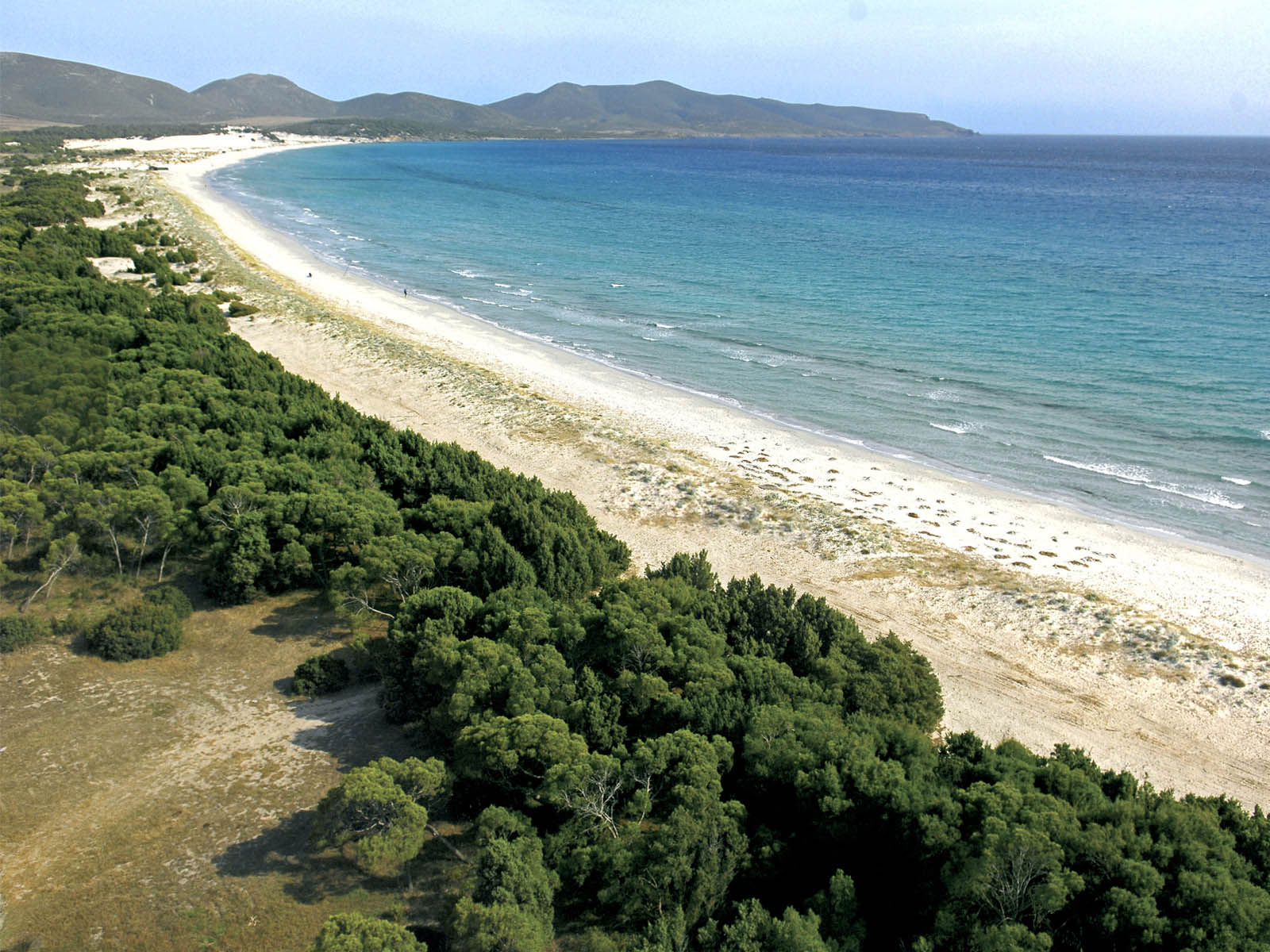
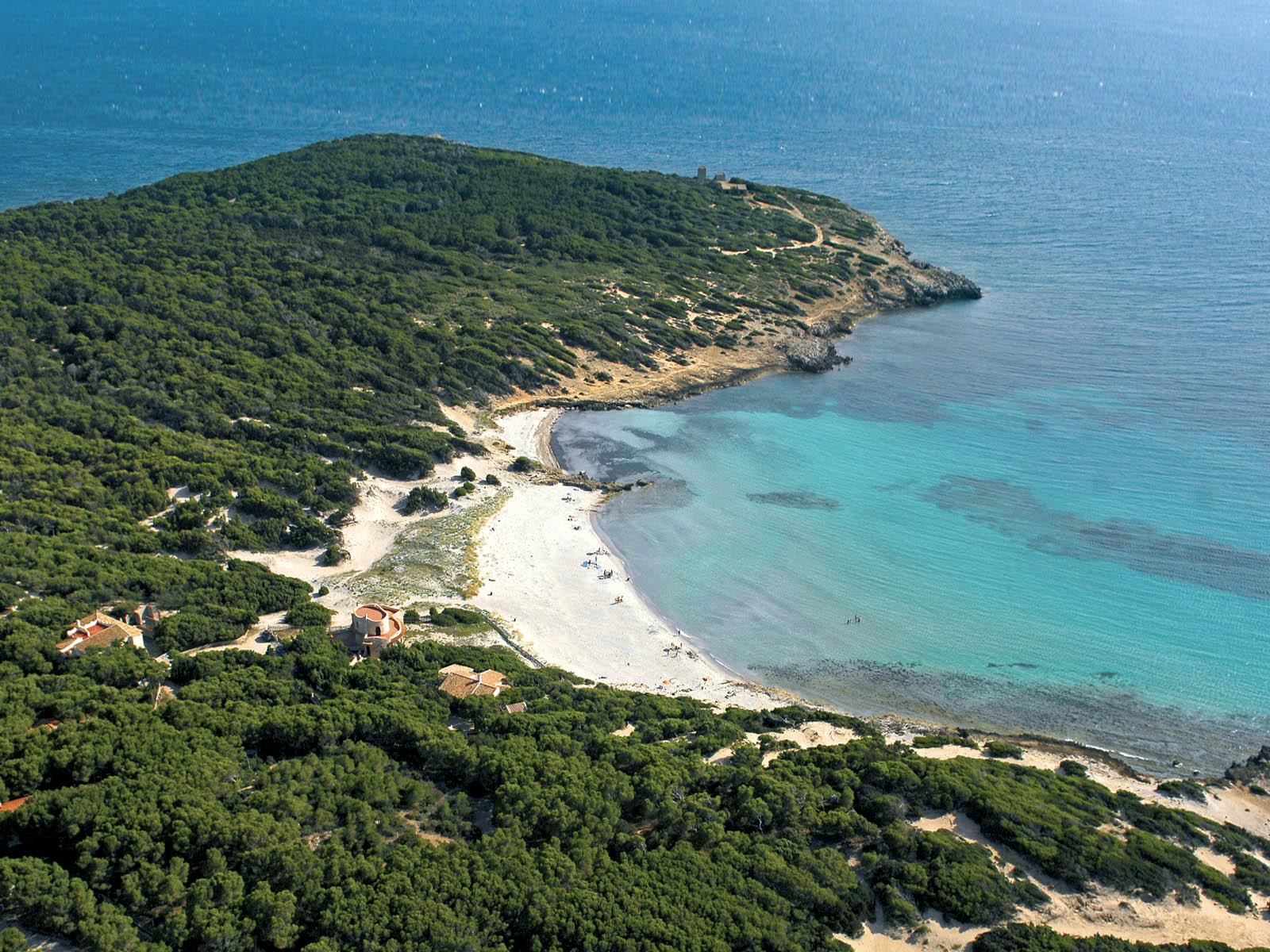
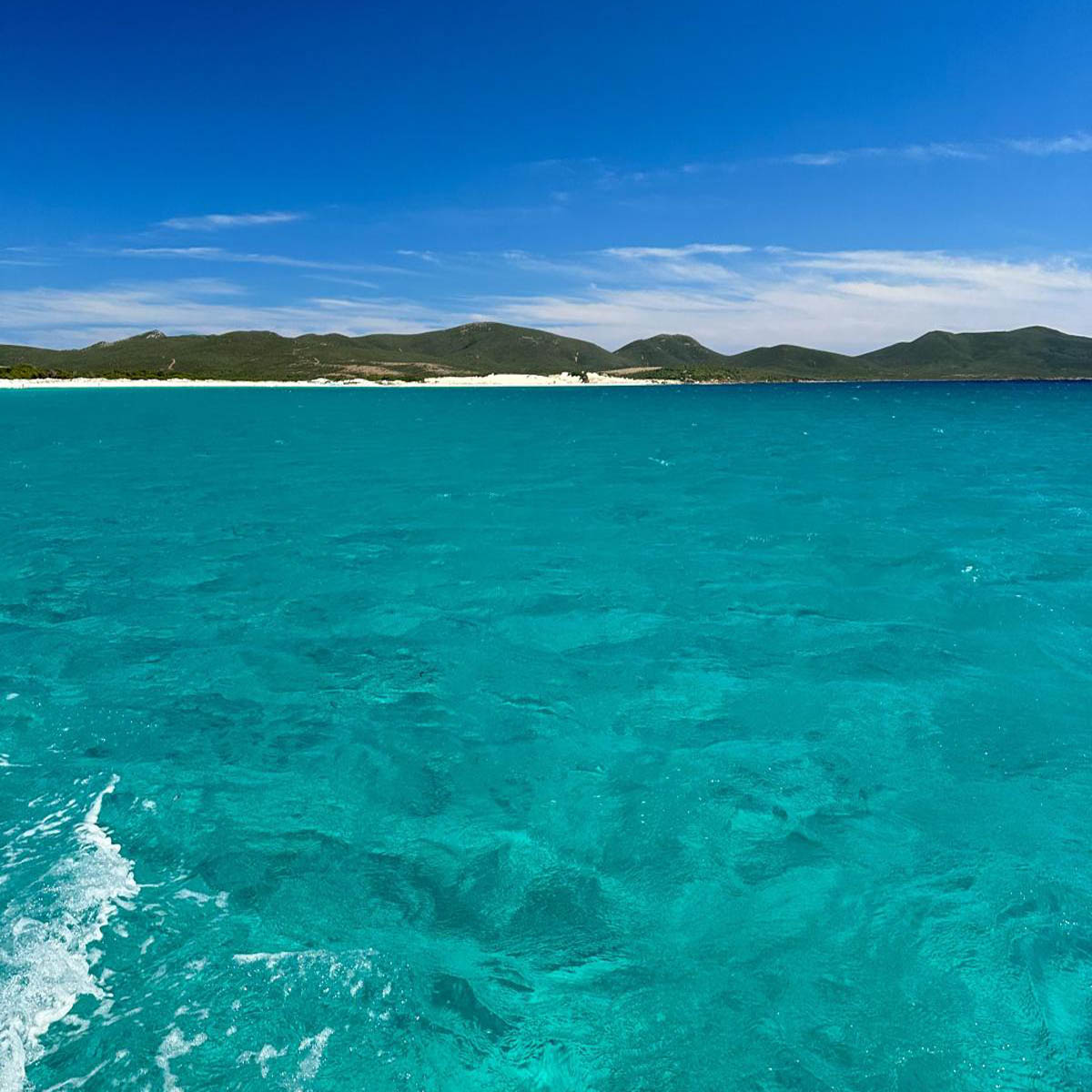
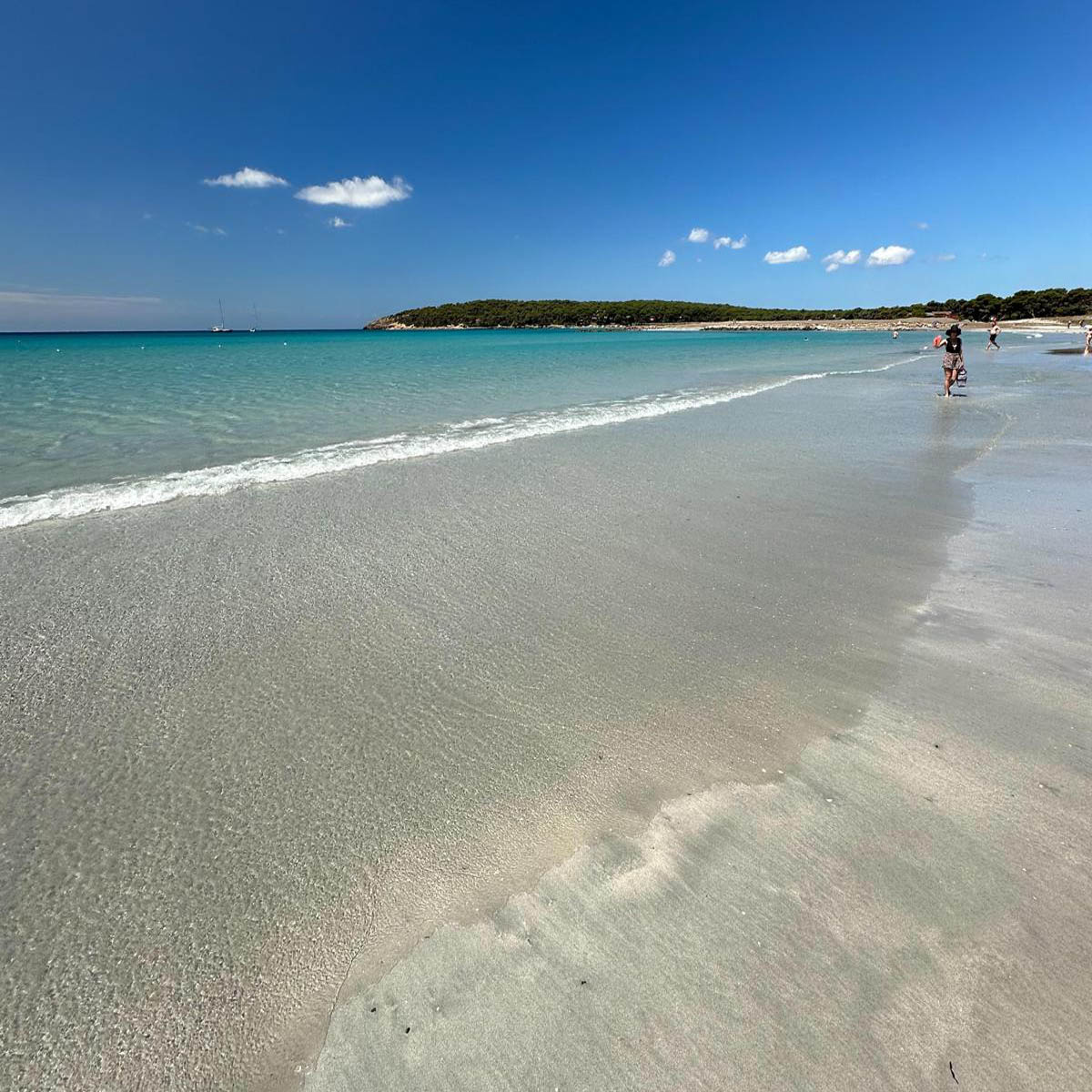
You don’t have to travel to the other side of the world to relax in exotic paradises. Your dream holiday is in the centre of the Mediterranean, in the extreme south-west of Sardinia, in Porto Pino, a masterpiece of nature. The bay is an ecosystem in perfect balance: white beaches that plunge into the azure hues of the sea, ‘desert’ dunes of fine sand, pink sandy coves with limpid seabeds, placid lagoons and a forest of rare Aleppo pines, thorny oaks, centuries-old junipers and lush Mediterranean scrub.
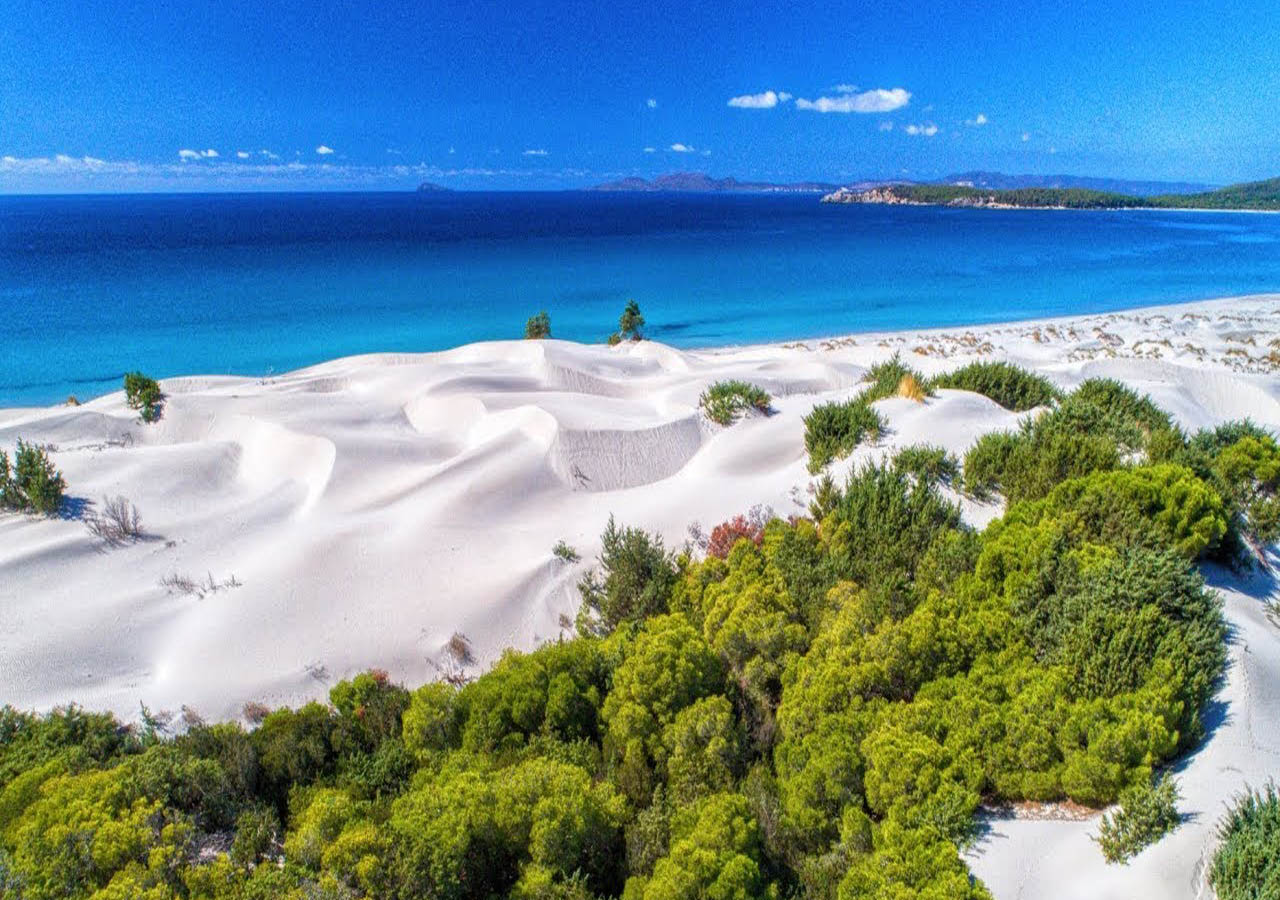
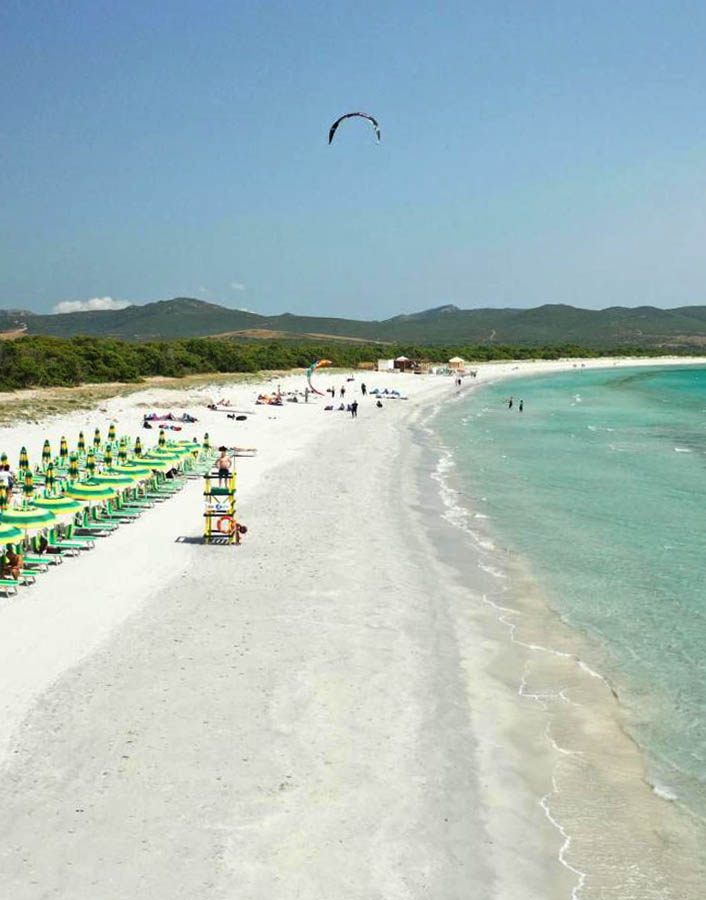
The inlet stretches for over six kilometres, four of which are sandy stretches, divided into three portions. The ‘first beach’, about 600 metres long with compact, greyish sand, lies between two rocky embankments and is equipped with facilities. Beyond the first stretch stretches as far as the eye can see the ‘second beach’, about two kilometres long with very white sand, set between pine forests and ponds. The two beaches are separated by the ruins of a jetty, an old ‘sea inlet’ for the ponds. The third portion is Is Arenas Biancas (or The Dunes), a dazzling spectacle of nature with a kilometre of soft, white sandy ‘hills’ that are almost thirty metres high, bordered by sea lilies and junipers. Shaped by the winds, they change profile and height daily.
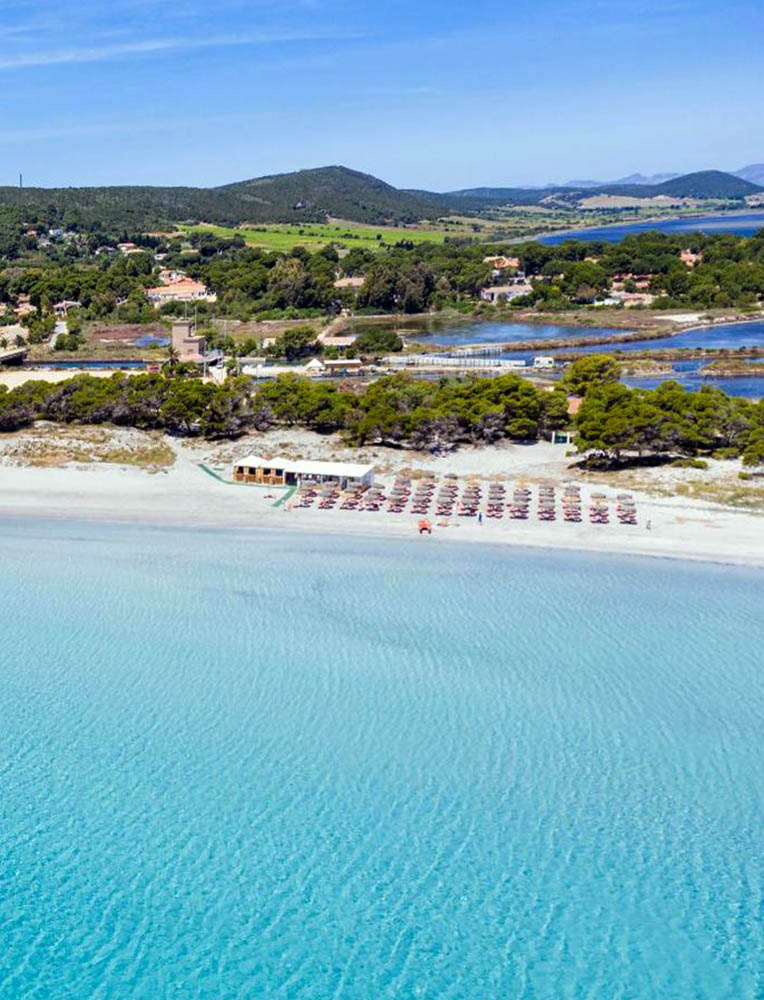
The seabed of the entire coastline is sandy and slopes slowly: for tens of metres the water is very shallow, ideal for families with children and also for snorkelling and sport fishing enthusiasts. Along much of the shoreline you will find refreshment points and establishments where you can rent beach equipment, skates and dinghies, as well as diving centres, sailing and surfing schools: all year round Porto Pino is a destination for wind and kite surfers.Nearby there are hotels, camping, bars, restaurants and nightclubs.
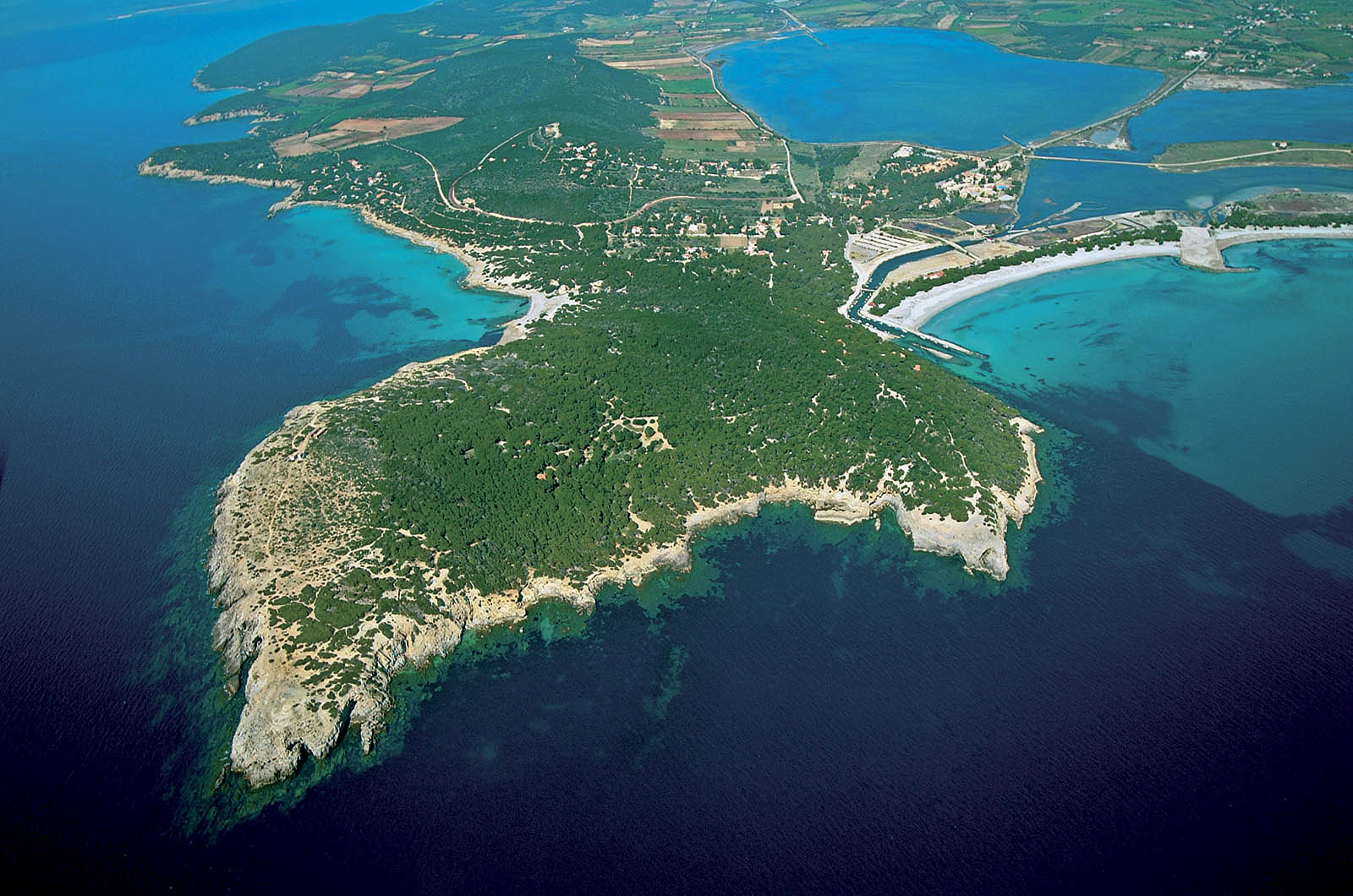
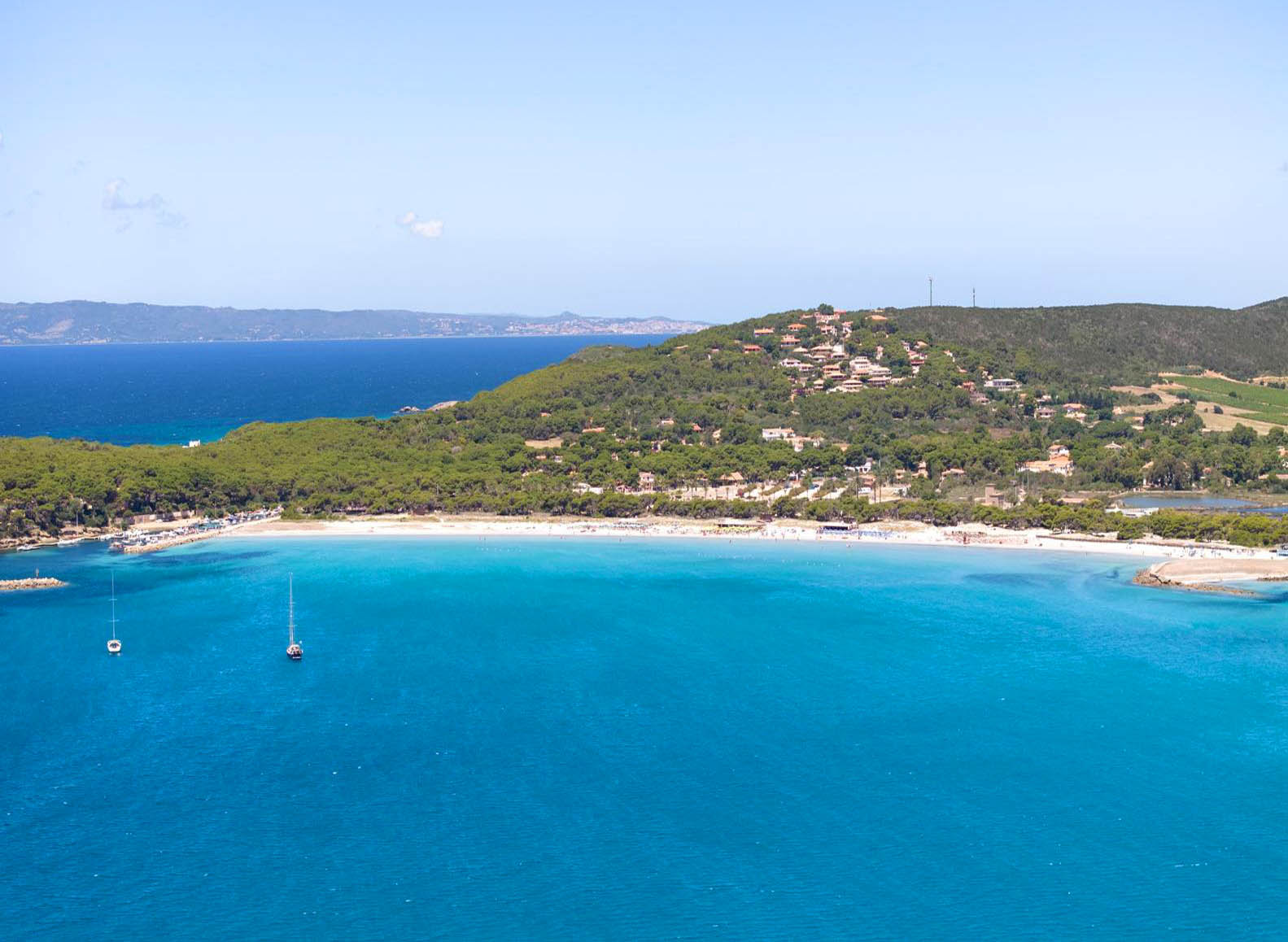
The sandy tongue of the beach, about 70 metres wide, divides the ponds from the sea. A channel, behind the pine forest, crosses it and connects the sea and the lagoons.It has always served as a berth and mooring for the small boats of the Sant’Anna fishermen and for pleasure craft.Since Phoenician-Punic times, the inlet, protected by the promontory to the west, was used as a port of call, and then became a trading centre under Roman rule. An evocative footbridge along the canal will accompany you for a few hundred metres from the large car park (also suitable for campers) to the beaches. The lagoon area is made up of five ponds, in addition to those of Maestrale and is Brebeis, also those of Porto Pino, del Corvo, and Foxi, separated from each other by sandy strips and used both for breeding mullets and eels and as a first evaporation basin for the saltworks of Sant’Antioco, ten kilometres away. The shallow waters are a summer home to pink flamingos and kingfishers. Where they are deeper, you will see herons, coots, herring gulls and kingfishers. The entire ecosystem is a Site of Community Importance, protected by dune protection programmes.
The three beaches of Porto Pino are among the most beautiful in Sulcis. A fourth one is added, in nearby Porto Pinetto: it is the beach of the French (or sa Bua), a crescent of fine white sand, with coral fragments, that plunges into changing waters: from emerald green to turquoise. Porto Pinetto is also known as Candiani, a name derived from the ruins of a military battery named after Admiral Candiani.In Sant’Anna you will also find Portu de su Trigu and Cala Baracca.After the sea, you will take a dive into the culture of a village that has become a tourist destination thanks to Porto Pino, from which it is seven kilometres along a straight road. Its peculiarity is the nuraghe Arresi that stands in the centre, between the two churches, old and new, dedicated to Sant’Anna. Another nuragic heritage, on the road to the sea, is the site of Coi Casu.
Maps
REQUEST AVAILABILITY
Fill in the form with your arrival and departure dates and you will be contacted as soon as possible by the host of Villa Linda.
This enquiry does not constitute a booking, which will be finalised by telephone and e-mail contact, in which you will receive all booking and sales conditions.